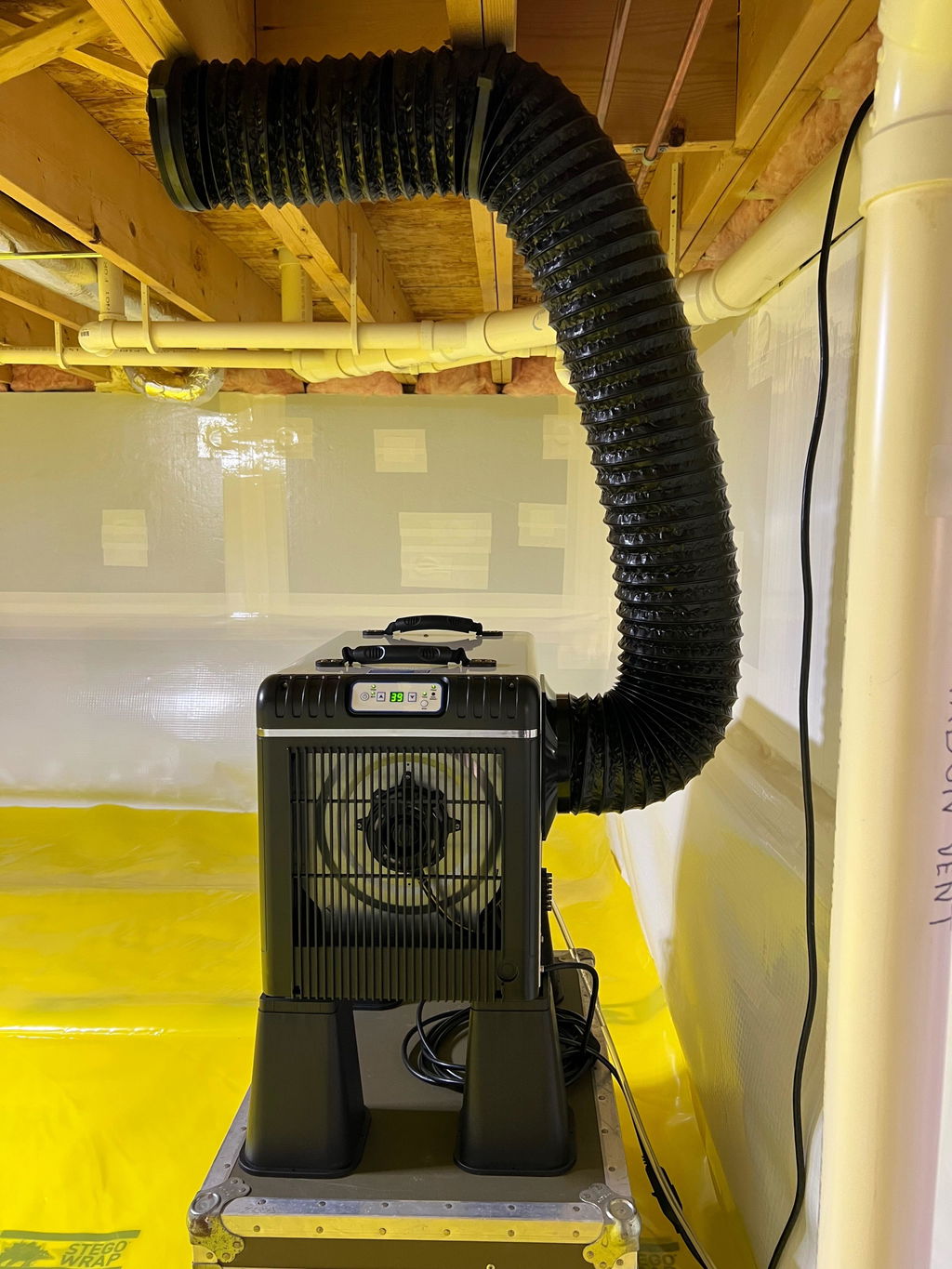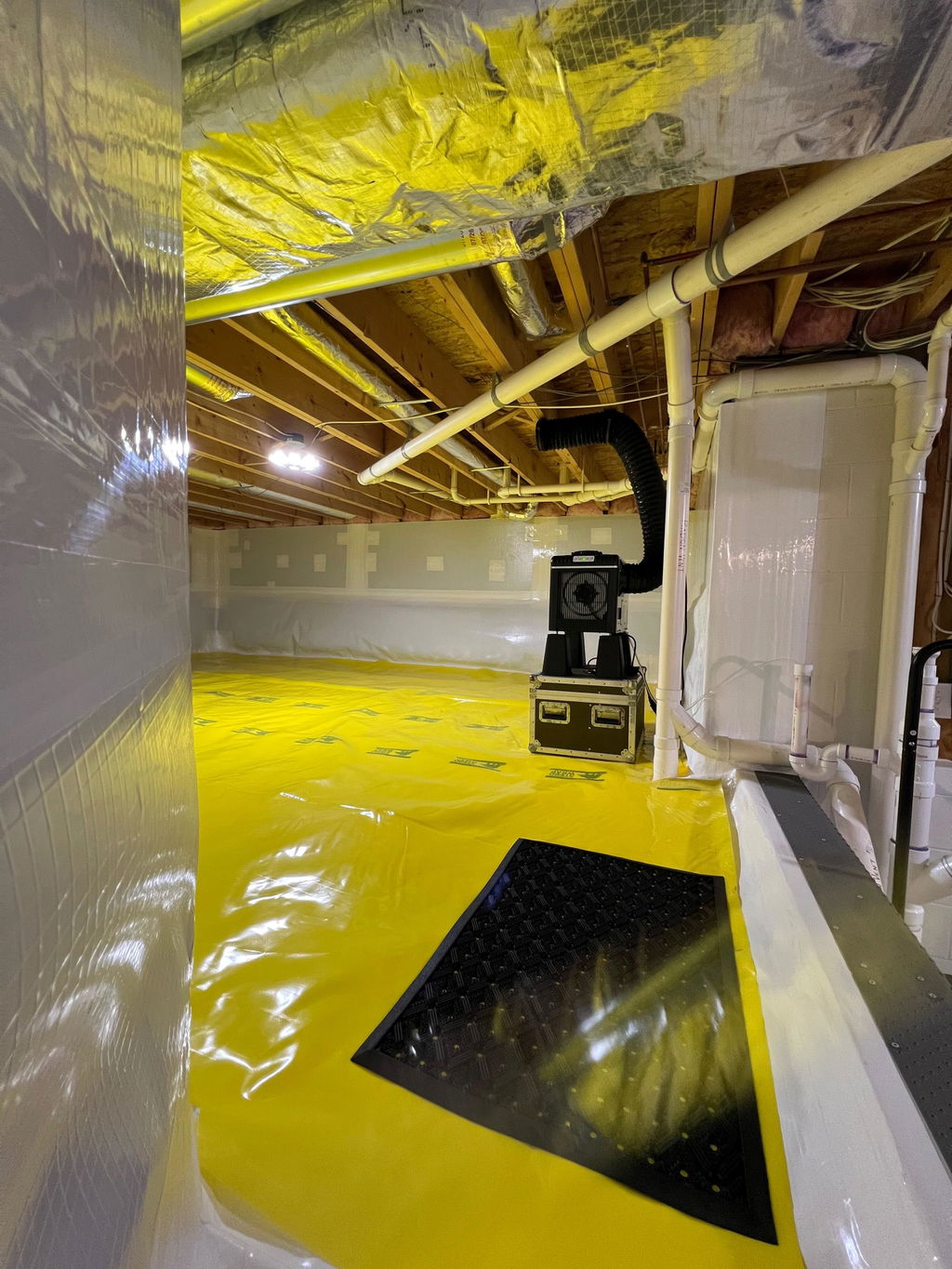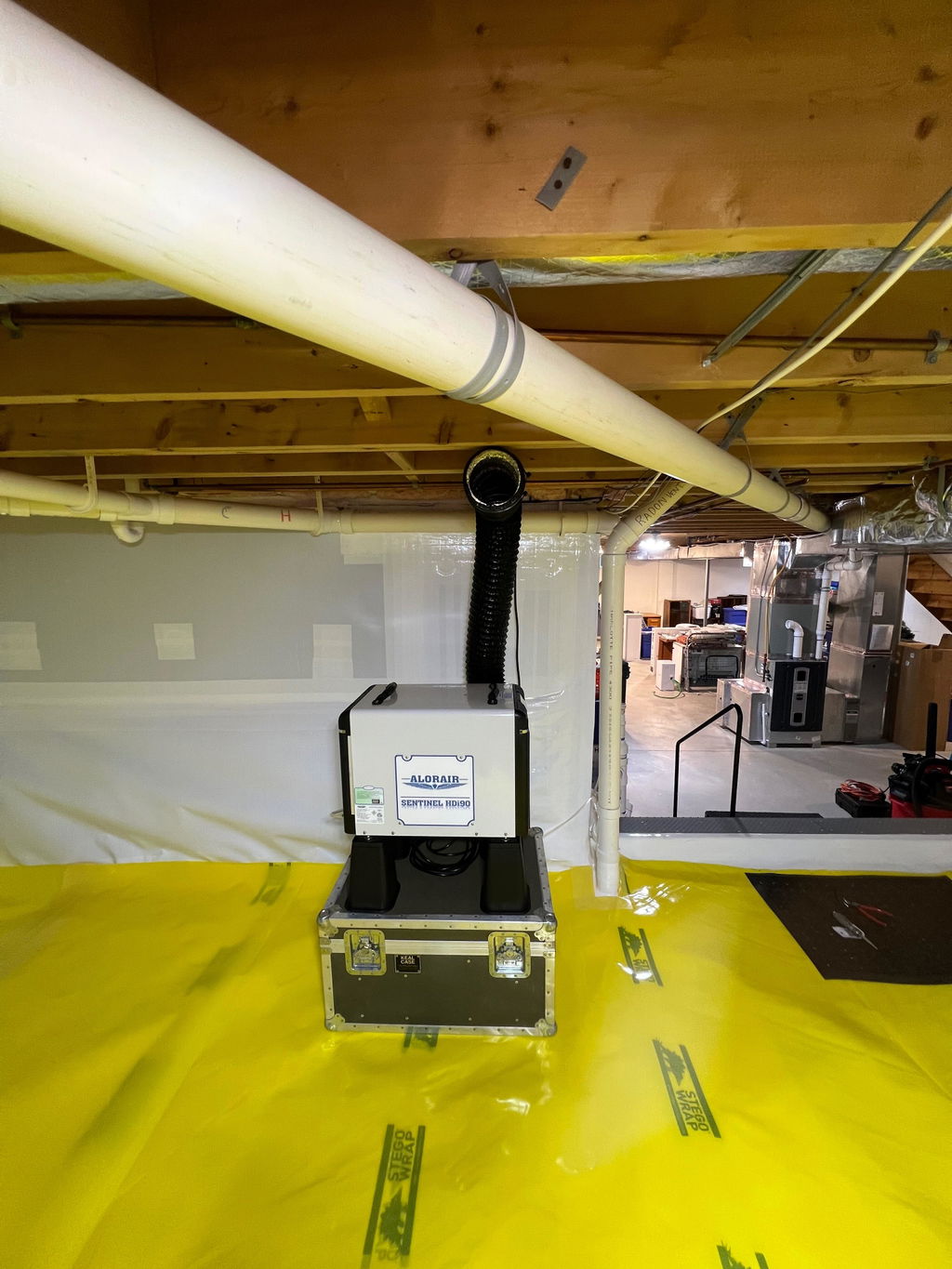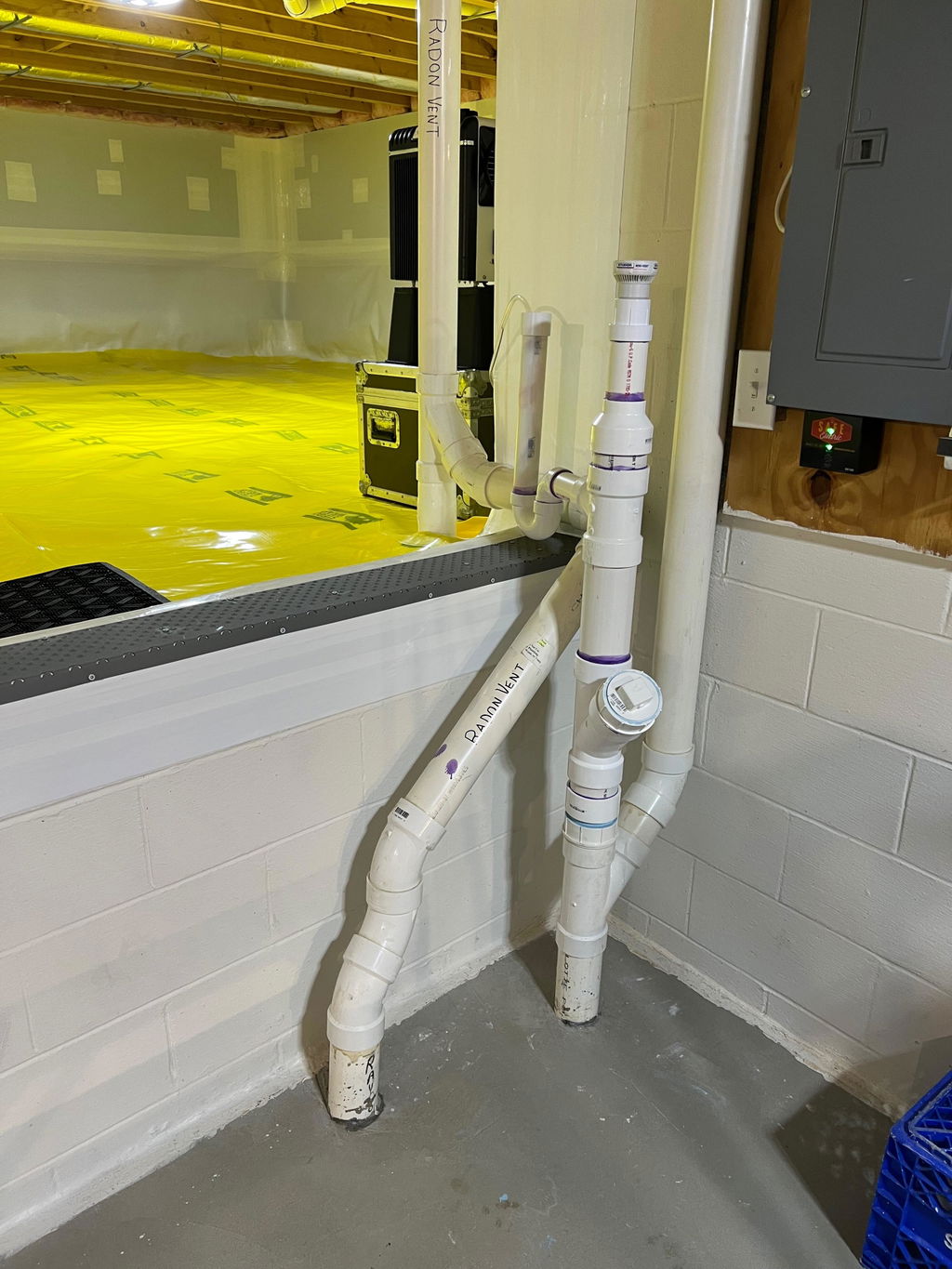
Published estimates put household units at roughly 5 to 10 years. That's a range, not a measured average, and no one can promise it for your unit. Age alone doesn’t tell you when to replace a dehumidifier. A unit with a fixable pump, sensor, or drainage fault may have years left. An older unit that still holds your target humidity may not need replacing at all.
So how long do dehumidifiers last in your space? It depends on the model and its construction, operating hours, moisture load, the environment, maintenance, and whether faults can be repaired. Today’s guide covers what shapes dehumidifier lifespan, how to spot real wear, what to try first, and when to replace one.
What Is the Typical Lifespan of a Dehumidifier?
How long should a dehumidifier last? Most sources say roughly 5 to 10 years for household units. Treat that as a planning guide, not a promise, because nobody has a single measured lifespan for every model. The sources below offer different kinds of evidence, from expert estimates to modeling assumptions to predicted problem rates, so don’t read their numbers as the same kind of figure.
Why published estimates differ
- Definition of failure. One source counts the first repair; another waits until repair stops making sense.
- Evidence type. Expert surveys, regulatory assumptions, and owner surveys measure different things.
The National Association of Home Builders (NAHB) surveyed industry experts in 2006 and published itslife expectancy study in 2007. It lists 8 years for dehumidifiers. The study is nearly two decades old, so treat it as background, not current research.
In its 2023 proposed efficiency standards, the U.S. Department of Energy (DOE) assumes average lifetimes of 10 years for portable and 12 years for whole-home units. Those are modeling assumptions, not performance guarantees.
Consumer Reports (CR) surveyed members about 13,632 dehumidifiers bought new between 2014 and 2025. Its model estimates that nearly one in five (19 percent) are likely to develop problems or break within the first four years of ownership. That’s a predicted problem rate, not a lifespan, so don’t use it to calculate an average lifespan. A reported problem doesn’t necessarily mean the unit needs replacing.
Does Lifespan Differ by Dehumidifier Application?
Demands differ by application, but published sources don't support a separate lifespan range for each. The table shows what to check instead.
| Equipment application | Typical demands | What to weigh |
|---|---|---|
| Portable household | Rooms or basements; often seasonal | Months of use, filter and drain upkeep |
| Basement and crawl space | Long runs in cool, damp, dusty spaces | Run hours, frost cycles, dust, drain reliability |
| Whole-house | Ducted; seasonal swings | Ductwork, controls, installation, service access |
| Commercial and restoration | Moved between sites; hard runs | Handling, filter condition, duty cycle, parts and service |
Application Is Not the Same as Technology
These categories describe where a unit runs, not its technology. DOE classifies unducted crawl-space dehumidifiers as portable units, so the categories overlap and blended figures can mislead.
Where Commercial Equipment Fits
Commercial-grade doesn't automatically mean a longer life. Still, contractors and restoration crews need equipment that moves between sites and runs hard, and that's what commercial and industrial dehumidifiers are built for.
For that kind of hauling, wheels, a retractable handle, and a built-in pump help, and the AlorAir Storm 80X has all three. It adds automatic defrost, 80 pints per day (PPD) at 80°F and 60% relative humidity (RH), 170 PPD at saturation, 200 CFM, and coverage up to 2,100 sq ft.
Smaller spaces need less capacity. For a space up to 1,500 sq ft, the AlorAir Sentinel Elite 60X fits better. It’s rated at 60 PPD at 80°F and 60% RH and 145 PPD at saturation, with pump or gravity drainage and a 37.4–100.4°F operating range.
Neither listing proves a service life. Use specs to match the unit to the job.
Why Indoor-Pool Equipment Is Out of Scope
Indoor-pool dehumidification systems have their own estimates, which don't apply to the equipment covered here.
What Affects How Long a Dehumidifier Lasts?
Four things do most of the work: how hard the unit runs, how well it fits the moisture load, the environment, and the care it gets.
Operating Hours and Moisture Load
Calendar age doesn't show how much work a unit has done. One that runs a few months a year wears differently than one that cycles daily.
Sizing and Changing Conditions
Matching capacity to the real moisture load helps avoid unnecessary run hours and wear. Recheck that fit if you expand the space, add more laundry, or discover a leak. CR’s test engineer notes that a steady water source can add moisture faster than a dehumidifier removes it. Fix the source before adding run hours.
Temperature, Dust, and Corrosive Environments
Check the model’s rated operating range first. The Storm 80X lists 33.8–105°F; the Sentinel Elite 60X lists 37.4–100.4°F. One model’s limits can’t stand in for another’s. Dust restricts airflow and coats coils. For chemical fumes, look for coil protection on the spec sheet, but also ask the manufacturer whether the whole unit is suitable for the chemicals present.
Maintenance, Construction, and Repair Support
Maintenance covers the filter, coils, and drain path, including any pump and hose. Price, branding, or a certification mark alone doesn't prove longevity. Without parts or qualified service, a fixable fault can end a unit's life.
Signs Your Dehumidifier May Be Wearing Out
Wear shows up as a pattern, not a single symptom, and most signs have a simpler cause. When to replace a dehumidifier often depends on how many signs appear together.
- Weaker humidity control. The room stays above your setpoint under comparable conditions. A dirty filter can cause that too.
- Persistent noise. Loose panels and debris can cause rattles. Noise that outlasts those checks needs a closer look.
- Repeated shutdowns or errors. A full tank, blocked drain, or cold room can trigger them.
- Repetitive icing. Cool air, restricted airflow, or low room temperature can all cause frost.
- Water leaks. Check drain connections, hoses, and the tank first.
- More frequent repairs. Several repairs in a short span say more than any single fault.
Leave compressor or refrigerant diagnoses to a qualified technician.
Check These Problems Before Replacing Your Dehumidifier
Many apparent failures depend on settings, airflow, or drainage. Unplug the unit before hands-on checks, and never open electrical compartments or handle refrigerant.
- Measure humidity with a separate hygrometer. Built-in readings can differ. EPA advises keeping indoor relative humidity below 60 percent, ideally between 30 and 50 percent, and says a humidity meter can measure it.
- Check the humidity setting and operating mode.
- Inspect the filter. Clean or replace it as the manual directs.
- Confirm airflow clearance. Intake and outlet need the clearance your model requires.
- Confirm the room temperature is within the rated range.
- Check the bucket and float, where applicable. The bucket should be seated, and the float should move freely.
- Inspect accessible drainage connections for kinks, loose fittings, and blockages.
- Review displayed error codes against the manual.
- Look for new moisture sources, such as leaks, open doors, or added laundry. EPA notes that condensation on windows, walls, or pipes can signal high humidity.
- Stay within user maintenance. Unplug the unit before hands-on checks. Don’t open electrical compartments, test capacitors, or handle refrigerant.
If the basics fail, troubleshoot a dehumidifier step by step to find the cause before you buy parts or a new unit.
How to Help Your Dehumidifier Last Longer
Four habits help you extend dehumidifier lifespan. None guarantees extra years, but each targets avoidable wear.
Follow the Model's Maintenance Schedule
Clean or replace filters regularly, clean coils only where the manual allows, and check the drain path on schedule. A regular dehumidifier maintenance routine beats a rushed repair later.
Maintain Airflow and Reliable Drainage
Keep the intake and outlet clear to your manual's distances, and route hoses without kinks or sags. On pump models, confirm water moves through the hose and stay within the lift limit.
Operate Within Rated Conditions
Keep the room within the rated temperature range, with space for air to circulate. EPA says moisture control is the key to mold control and that leaks should be fixed. Don't ask a dehumidifier to offset ongoing water entry.
Prepare the Unit for Storage and Transport
Drain and dry the unit as the manual instructs. Cover it, protect it from impact, and move it in the orientation the manufacturer specifies. Follow the manual on restart wait times.
When Should You Repair or Replace a Dehumidifier?
Repair when the fault is specific, the unit is otherwise sound, and parts and service exist. Replace when problems keep returning, support is gone, or the unit no longer fits the space. A fixable fault isn't the end of service life, and age is context, not a verdict.
| Factor | Repair may make sense when | Replacement may make sense when |
|---|---|---|
| Fault type | A repairable fault is confirmed, like a pump or sensor issue | Several major faults, or damage that isn’t practical to fix |
| Repair quote | Modest next to a suitable new unit | High next to a suitable replacement |
| Overall condition | Coils, housing, and drains are otherwise sound | Significant corrosion, damage, or heavy wear |
| Repair history | First or isolated problem | Problems keep returning despite proper repairs |
| Parts and service | Parts and qualified service are available | Key parts are discontinued or no service is available |
Repairs that keep coming back change the math. At that point, choosing to repair or replace your dehumidifier becomes a judgment about condition, cost, and support.
Does a Longer Warranty Mean a Longer Lifespan?
No. A warranty is a contract, while service life is how long equipment stays usable. A longer warranty shows what a maker agrees to cover, not how long a unit will run. Coverage can differ for the whole unit, individual parts, and the refrigeration system, and labor or shipping may be excluded. Read the terms before you buy, and treat a warranty as a safety net, not a lifespan promise.
Is an Older Dehumidifier Always Less Efficient?
No. Dirty filters and coils cut performance too. Since June 2019, DOE's test procedure rates portable units at 65°F instead of 80°F, so a newer unit often reports fewer pints. ENERGY STAR says certified models use about 20 percent less energy than comparable conventional ones, but that compares models. It doesn't promise a lower bill if you replace a well-kept unit.
FAQs
Can a dehumidifier last more than 10 years?
Some units stay serviceable beyond 10 years, but individual examples don't set an average or a guarantee. Hours, environment, upkeep, and parts availability all matter. DOE's rulemaking uses 10 years for portable and 12 for whole-home units as modeling inputs, not promises.
Does running a dehumidifier continuously shorten its lifespan?
More run hours mean more wear, but continuous operation isn't harmful on its own. Model fit, rated conditions, and a clean filter and drain path matter more. If a unit never reaches its target, suspect sizing or a moisture source first.
Do commercial dehumidifiers last longer than household models?
Not necessarily. Build quality, usage, environment, and repairability all matter, and commercial units often run harder and move between sites. They're designed for demanding duty, but no universal ranking exists. Compare rated conditions, parts support, and the hours you'll actually run the unit.
Does collecting less water mean my dehumidifier is dying?
Not by itself. A unit collects less when the air is drier or cooler, when it has reached its setting, or when airflow is restricted. Check conditions with a hygrometer, then the settings and filter. Weak output that persists under similar conditions tells you more.
Should I replace a working dehumidifier because of its age?
Not on age alone. Condition, safety, service support, and fit matter more. A unit that holds your target humidity, runs normally, and can still be serviced may not need replacing. Stop using any unit with a damaged cord, and replace units whose problems keep returning.
Conclusion: Replace Smart, Not Early
So, how long do dehumidifiers last? Most estimates say about 5 to 10 years for household units, but hours, moisture load, environment, and upkeep change the answer. Judge your unit by condition, not age. Fix simple problems first, and replace it when faults keep returning.